Family travel roots
The camp grew from years of private Morocco journeys and desert route planning through Top Desert.
With your permission, we use Google Analytics to measure visits and Google Ads to measure advertising.
Cookie PolicyThe family behind Berber Camp
Family travel planning, local desert knowledge, and personal hospitality come together at Berber Camp.
From journey to camp
Berber Camp grew from the same Berber family travel work behind Top Desert, founded by Moha and Abdou. Long before the camp became a place to stay, the family was helping travelers cross Morocco on private journeys, follow the road south, reach M’Hamid, and continue toward the open dunes of Erg Chigaga.
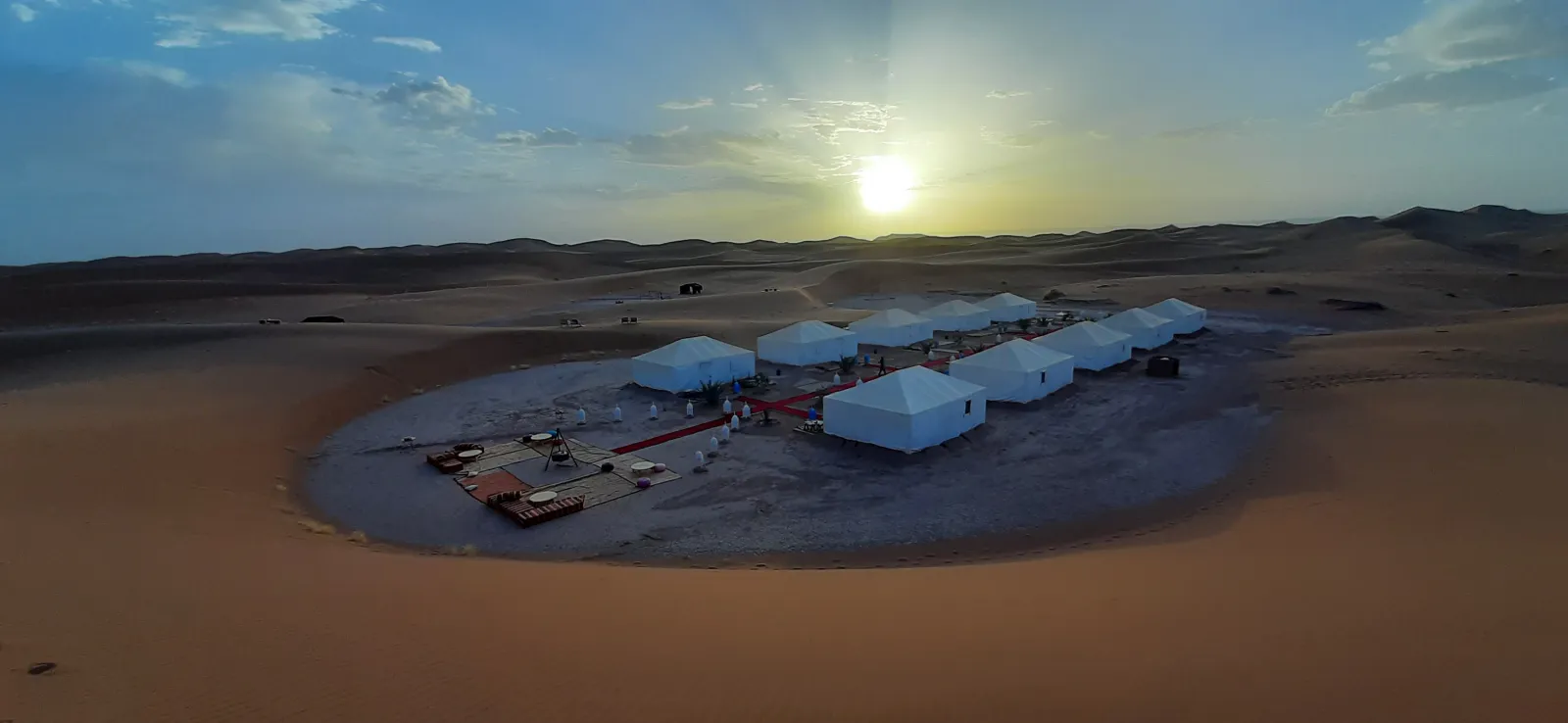
Those years shaped the way the camp approaches a desert stay. In Erg Chigaga, the experience includes the pace of the journey, the timing of arrival, the final 4x4 approach, the welcome at camp, and the quiet rhythm of the evening once the road ends.
Berber Camp brings route planning and family hospitality together so guests can arrive with clear expectations and settle into the dunes at their own pace.
People behind the place
Berber Camp is connected to the same family travel work behind Top Desert, founded by Moha and Abdou. Around them is a local team shaped by desert travel, Berber hospitality, and the routes that connect Marrakech, M’Hamid, and Erg Chigaga.
The work begins before guests arrive: answering questions, planning routes, setting expectations, and choosing the right pace. At camp, the focus turns to welcome tea, meals, tent comfort, evening atmosphere, and the small details that make a remote place feel cared for.
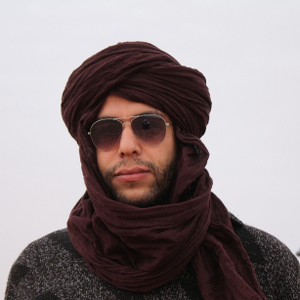
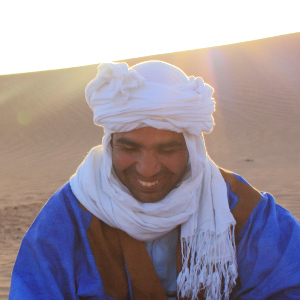
Moha and Abdou bring the Top Desert planning experience. The local camp team brings the daily rhythm of hosting guests in Erg Chigaga.
The camp grew from years of private Morocco journeys and desert route planning through Top Desert.
Guests are hosted by people connected to the desert setting, not by a distant hotel chain.
The goal is to keep the experience personal, honest, and connected to local people and place.
Desert roots
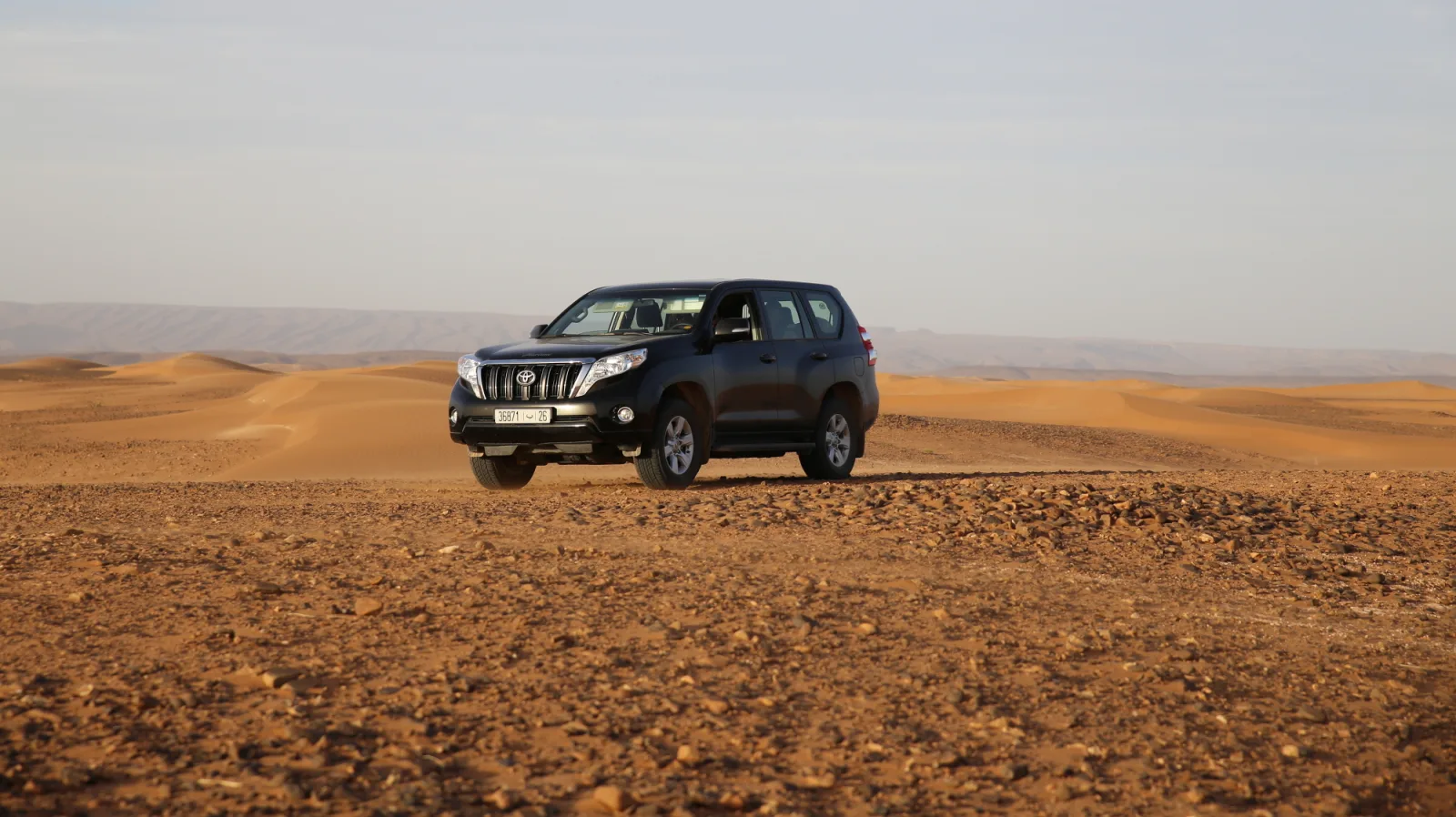
Erg Chigaga is different from easier desert stops because it asks for time. The route usually passes through southern Morocco and M’Hamid before the final 4x4 approach into wider dunes. That distance is part of what makes the place feel quieter, but it also means the journey should be planned honestly.
For some travelers, one night can work when the route is already well positioned. For others, two nights or more make the stay feel calmer and less like a transfer. The right rhythm depends on where guests start, where they go next, and how much time they want to give the desert.
The route is not simply the way to camp. It is the beginning of the desert stay.
The road south, stops, and timing shape how relaxed the desert arrival feels.
M’Hamid is the last village before the deeper dunes and the start of the final approach.
The last stretch is part of the desert experience, not a simple hotel transfer.
A better stay means arriving with time for tea, sunset, dinner, and a calm first evening.
How we host
At Berber Camp, hospitality is not a performance. It is the simple rhythm of being welcomed, shown your tent, served tea, guided through the evening, and given space to enjoy the dunes without pressure.
The camp should feel comfortable, but still connected to its setting. Private ensuite tents, meals, tea, evening atmosphere, and quiet time in the dunes are all part of the stay. The goal is not to imitate a city hotel in the Sahara. The goal is to make a remote place feel calm, cared for, and true to where it is.
Guests should feel personally hosted from arrival to the last morning in the dunes.
Private ensuite tents, meals, and camp comfort are explained realistically for a remote Sahara setting.
The experience should stay connected to the dunes, local people, and the rhythm of the Sahara.
What we want guests to feel
We want guests to feel that the journey made sense, the welcome was personal, the pace was calm, and the camp stayed connected to the desert around it. The tent, tea, meals, timing, and quiet should support that feeling without ever seeming forced.
The route, timing, and welcome should help guests arrive without feeling rushed.
Guests should feel received by people connected to the camp, not processed by a system.
The camp should feel comfortable while staying realistic to a remote Sahara setting.
The stay should remain connected to Erg Chigaga, local people, and the rhythm of the desert.